Informe sobre ciberamenazas: cómo defenderse de las amenazas relacionadas con la IA
El correo electrónico sigue siendo la piedra angular de la comunicación y también el principal objetivo de ciberataques cada vez más sofisticados impulsados por la inteligencia artificial.
Nuestro Reporte de Ciberamenazas 2025 ofrece información esencial y estrategias prácticas para ayudar a los ingenieros y profesionales de TI a reforzar sus defensas de correo electrónico, proteger sus marcas y cumplir con las normas de seguridad en constante evolución.
Consigue tu ejemplar gratuito
¿Quieres tu ejemplar gratuito ahora?
Completa el siguiente formulario para acceder a esta guía de expertos, repleta de consejos y estrategias de seguridad adaptadas al panorama actual de amenazas.
Informe sobre ciberamenazas: perspectivas clave para 2025
Los ataques maliciosos internos se convirtieron en el vector de violación inicial más costoso, con un promedio de US$ 4,92 millones en pérdidas por incidente.
La TI en la sombra y la tecnología de IA no aprobada crearon nuevos puntos de exposición, con un 78 % de los empleados que utilizan herramientas de IA personales en el trabajo.
Los ataques de ransomware y extorsión representaron casiuna de cada tres infracciones globales, lo que provocó algunas de las pérdidas financieras más graves de 2024.
Un adelanto del Informe sobre amenazas cibernéticas de 2025
Aumento de las ciberamenazas impulsadas por la inteligencia artificial
La IA está cambiando el panorama de la ciberseguridad. Su adopción está creciendo y el 72 % de las organizaciones utilizan ahora la IA en al menos una función empresarial, pero los atacantes están utilizando la misma tecnología como arma. Los deepfakes, el malware adaptativo y las estafas de suplantación de identidad son cada vez más convincentes y difíciles de detectar y la IA impulsa ahora el 40 % de los ataques BEC en todo el mundo.
El correo electrónico sigue siendo esencial
A pesar del auge de las herramientas de colaboración, el correo electrónico sigue siendo la columna vertebral de la comunicación. Es abierto, universal e insustituible para las facturas, la atención al cliente y las operaciones diarias. Pero esa misma dependencia lo convierte en un objetivo prioritario para los ciberdelincuentes.
El correo electrónico en cifras
En 2024, se enviaron y recibieron más de 361.000 millones de correos electrónicos al día, casi 4,2 millones por segundo. Con más de 4.400 millones de usuarios (más de la mitad de la población mundial), la magnitud del correo electrónico amplifica su vulnerabilidad. Cada mensaje representa un posible punto de entrada para los atacantes.
El impacto a nivel mundial
Costo global costo los delitos cibernéticos superó los US$ 9 billones en 2024.
Otros acontecimientos clave en 2024:
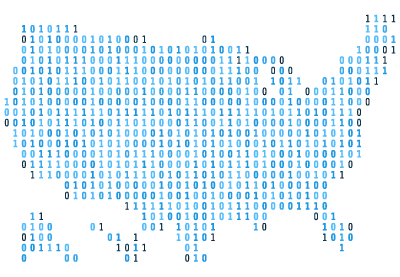
Estados Unidos reportó pérdidas por valor de US$ 16.000 millones debido a delitos cibernéticos

Australia registró 30,2 millones de phishing

La mitad de las empresas del Reino Unido informaron de una infracción
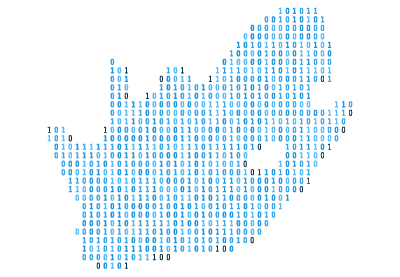
En Sudáfrica, los ataques se centraron principalmente en phishing el malware.
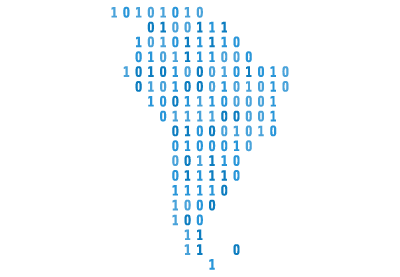
Solo 7 de los 32 países latinoamericanos cuentan con planes de protección

La India experimentó un aumento del 206 % en las pérdidas financieras

China ocupó el primer lugar a nivel mundial en violaciones de datos

Las principales amenazas en 2025
El ransomware, las amenazas internas y los ataques a la cadena de suministro se encuentran entre las principales amenazas, pero la IA las está acelerando todas. Los atacantes están utilizando el aprendizaje automático para potenciar el malware adaptativo, personalizar phishing e incluso automatizar campañas multivectoriales. Los errores humanos también siguen desempeñando un papel importante, ya que contribuyen al 68 % de todas las infracciones a nivel mundial.

El estado de DMARC
DMARC se ha acelerado, impulsada por las exigencias de proveedores como Google, Yahoo y Microsoft. Si comparamos julio de 2023 con julio de 2024 y julio de 2024 con julio de 2025, el número de dominios que aplican p=reject aumentó un 149 %. Esto demuestra un fuerte cambio global, pasando de la supervisión a la protección total.
Mientras tanto, DMARCbis (DMARC .0), la próxima versión del estándar, aportará reglas más claras, reporte mejorados y una mayor seguridad para ayudar a las organizaciones a proteger sus entornos de correo electrónico.
Protege tu negocio
Sin estándares de autenticación como DMARC, SPF y DKIM, las empresas se exponen al spoofing, phishing y la suplantación de identidad. Descubre cómo tomar medidas proactivas para defender a su empresa contra los ciberataques impulsados por la inteligencia artificial y sus devastadoras consecuencias. Descarga el Reporte de Ciberamenazas 2025 para comprender las amenazas en constante evolución y las estrategias necesarias para mantenerse a la vanguardia.
Mejora la seguridad de tu correo electrónico con Sendmarc
La plataforma DMARC de Sendmarc simplifica la autenticación del correo electrónico de principio a fin. Con actualizaciones DNS automatizadas, monitorización en tiempo real, análisis de expertos e reporte detallados, puede reforzar sus defensas fácilmente mientras cumple con las normativas globales.
Protege tu marca, clientes y socios frente a los ataques phishing, spoofing y BEC ahora y en el futuro.
Contáctanos para iniciar su viaje hacia la implementación DMARC sin esfuerzo y una protección del correo electrónico preparada para el futuro.
Preguntas frecuentes sobre el informe de ciberamenazas
¿Qué es el Reporte de Ciberamenazas?
El Reporte de Ciberamenazas es la guía anual de Sendmarc que analiza las amenazas globales al correo electrónico, las tendencias emergentes en ciberseguridad y las últimas actualizaciones de protocolos de autenticación como Domain-based Message Authentication, Reporting, and Conformance (DMARC).
¿Quién debe leer el Reporte de Ciberamenazas?
El Reporte de Ciberamenazas está diseñado para los profesionales de TI que desean estrategias prácticas para defenderse contra phishing, la suplantación de identidad y los ataques al correo electrónico basados en IA.
¿Por qué es importante el Reporte de Ciberamenazas 2025?
El Reporte de Ciberamenazas 2025 es importante porque muestra cómo la inteligencia artificial está reconfigurando los ciberataques, destaca los cambios en el cumplimiento de la normativa, como DMARC 2.0 (DMARCbis), y ofrece medidas prácticas para protegerse contra las amenazas basadas en la identidad.
¿Qué novedades incluye el Reporte de Ciberamenazas 2025?
El Reporte de Ciberamenazas 2025 incluye datos de amenazas regionales de Estados Unidos, Europa, Sudáfrica, India y China, un análisis en profundidad de las estafas impulsadas por IA y orientación de expertos sobre cómo mitigar riesgos como el ransomware, las amenazas internas y las TI en la sombra.